The Allure of Risk and Reward
The psychology of casino gambling is intricately intertwined with the allure of risk and reward. Many individuals are drawn to casinos due to the enticing possibility of significant financial gain with relatively modest stakes, especially when they consider options like online casino fast withdrawal uk which enhance their experience. This dynamic taps into a fundamental human desire for instant gratification, where the thrill of potentially winning large sums overshadows the genuine risk of loss. The excitement generated by the prospect of a win can evoke strong emotional responses, transforming gambling from a mere game of chance into a high-stakes adventure filled with anticipation.
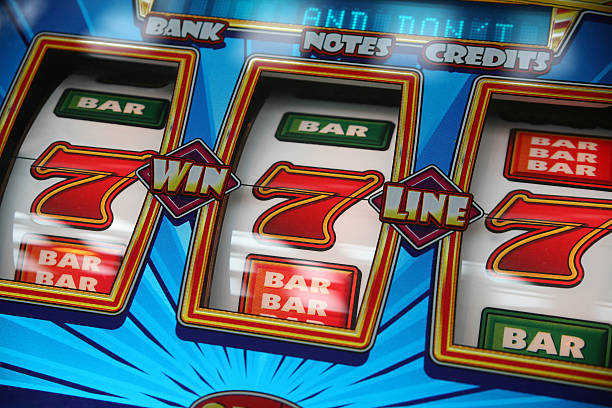
Moreover, the design of casinos is meticulously crafted to amplify this sense of excitement. From the vibrant colors and flashing lights of slot machines to the euphoric sounds of cheers and jingles, every element within a casino is strategically chosen to enhance the overall experience. This environment plays on gamblers’ psychology, turning the act of placing a bet into a thrilling escapade. By manipulating sensory stimuli, casinos create an atmosphere that encourages prolonged and frequent play, as players become immersed in the emotional highs of winning and the suspense of potentially hitting the jackpot.
Ultimately, this intricate psychological interplay between risk and reward can lead to problematic gambling behaviors. The euphoric feelings associated with wins often reinforce habitual gambling, while losses are frequently downplayed as part of the experience. This phenomenon, commonly referred to as “loss chasing,” occurs when players continue to gamble in hopes of recouping their losses, perpetuating a cycle that can lead to addiction. The intoxicating thrill of the game, combined with an inherent desire to reclaim lost money, creates a dangerous cocktail that many individuals find difficult to resist.
The Role of Cognitive Biases
Cognitive biases play a significant role in shaping how individuals perceive gambling outcomes and risks. One prevalent bias in the context of casino gambling is the “gambler’s fallacy.” This cognitive distortion leads players to believe that past outcomes have an influence on future events, resulting in the erroneous belief that a particular game is “due” for a win after a series of losses. This flawed reasoning fuels irrational decision-making, encouraging players to increase their bets based on misconceptions rather than statistical probabilities.
Additionally, the “illusion of control” is another cognitive bias that can adversely affect gambling behavior. Many gamblers overestimate their ability to influence outcomes, especially in games traditionally perceived as luck-based, such as roulette or slots. The belief that certain rituals or superstitions can sway the outcome exacerbates this issue, as gamblers feel empowered to alter their fate despite the reality that these games are purely chance-based. This tendency can lead to excessive play and increased financial risk, as individuals chase an illusion of control that simply does not exist.

Understanding these cognitive biases is essential in addressing gambling behavior. Raising awareness can help individuals recognize when their thinking is clouded by fallacies and encourage them to make more informed decisions. For those recovering from gambling addiction, therapy often focuses on debunking these cognitive distortions, allowing individuals to develop healthier perspectives regarding risk and chance. Educational initiatives aimed at highlighting these biases can also serve as a vital preventive measure against compulsive gambling, equipping players with the knowledge to make sound choices.
The Social Dynamics of Gambling
The social dimension of casino gambling significantly influences its psychological impact. Many people are attracted to the communal experience of gambling, where they can interact with others, share in the excitement, and even engage in friendly competition. This social aspect enhances the thrill of gambling, transforming it into a shared activity rather than a solitary pursuit. For instance, poker tables often become social hubs where friendships can form, and camaraderie flourishes, adding a rich layer of enjoyment beyond just the financial stakes involved.
Furthermore, the influence of social reinforcement is profound in the gambling landscape. Gamblers frequently share their stories of wins and exhilarating moments with friends and family, creating a narrative that glamorizes the experience. This storytelling can normalize gambling behavior and may even encourage others to partake in the activity. The interplay of social dynamics can foster an environment where gambling becomes an accepted practice, potentially leading to habitual behaviors that spiral into addiction for some individuals.
However, social pressures can also yield negative outcomes. Individuals may feel compelled to gamble to fit in with a group or gain social approval, even if they are uncomfortable with the activity. In such situations, the desire to belong can outweigh personal judgment, leading to risky gambling behaviors. Understanding the social influences at play can empower individuals to navigate their gambling habits more effectively, and providing supportive networks for those in recovery can promote healthier choices and reduce the risk of compulsive gambling.
The Impact of Rewards and Gamification
The principles of operant conditioning are central to the psychology of casino gambling. Gamblers often experience intermittent rewards, which create a powerful reinforcement loop. For example, winning is not a guaranteed outcome but occurs sporadically, akin to the mechanics of a slot machine or during a game of blackjack. This unpredictability fosters excitement and encourages players to continue gambling in hopes of striking it big, thus reinforcing the behavior further as they become caught in the cycle of anticipation and reward.
Gamification strategies employed by casinos, such as loyalty programs and comp points, further enrich this psychological engagement. These programs offer tangible rewards for continued play, like complimentary meals, hotel stays, or exclusive event access. Players may derive a sense of achievement and validation from accumulating points, motivating them to gamble more to reach the next reward tier. This method effectively merges traditional gambling with game-like incentives, making the experience even more captivating and immersive for participants.
However, while these rewards can enhance the overall gambling experience, they can also present a double-edged sword. The pursuit of rewards can lead to increased gambling frequency and financial strain. Players may lose sight of their spending limits, driven by the allure of rewards rather than the potential for financial loss. Understanding the psychology behind these mechanisms can empower gamblers to make more conscious choices, enabling them to enjoy the experience while avoiding the pitfalls of compulsive gambling behaviors.
Resources for Responsible Gambling
As our understanding of the psychological factors influencing gambling behavior expands, so does the importance of promoting responsible gambling practices. Many organizations and platforms provide valuable resources aimed at educating individuals about the risks associated with gambling and the psychological factors that can contribute to problematic behaviors. These resources may include workshops, helplines, and online tools designed to help individuals assess their gaming habits and make informed decisions regarding their gambling activities.
Moreover, fostering open discussions about gambling within communities can help destigmatize the act of seeking help. Encouraging individuals to share their experiences and struggles can create supportive environments for those affected by gambling addiction. This communal approach empowers individuals to reach out for assistance and find the support they need to combat their gambling-related challenges effectively.
Ultimately, being aware of the psychological underpinnings of gambling can assist individuals in recognizing when their behavior may be crossing into dangerous territory. By prioritizing education and advocating for responsible gambling practices, society can work towards mitigating the impact of gambling addiction, ensuring that the activity remains an enjoyable pastime rather than a compulsive behavior. Resources are readily available for those seeking guidance, highlighting the importance of informed play and awareness in fostering responsible engagement with gambling activities.